Have something important tomorrow? Five gentle ways to sleep
The night before something important, trying to force sleep backfires. Five evidence-based ways to actually rest the night before a big day.
4 min read
Vera
이 글은 영어로만 제공됩니다. 다른 언어로 읽기 English
The night before something that matters, the instinct is to get into bed early and try hard to fall asleep. Sleep rarely arrives that way. The more you reach for it, the more awake you tend to feel, because the effort itself keeps you alert. There is some comfort in knowing the night before a big day matters less than it seems, and that a few small, easy choices help more than trying harder.
1. Let go of trying to fall asleep
Reaching for sleep tends to push it further away, and watching the clock makes it worse. If you have been lying awake for around twenty minutes, it helps to get up for a little while: move to another room, keep the lights low, and do something quiet until you feel sleepy again. Then come back to bed. Sleep clinicians call this stimulus control, and it sits at the heart of how insomnia is treated. Lying in bed feeling restless slowly teaches your brain to link the bed with being awake, so a gentle reset is kinder than waiting it out. The Sleep Foundation suggests leaving the bed rather than forcing it.
2. Lower the lights, and set the phone aside
In the hour before bed, bring the lights down and put your phone somewhere out of reach. Bright light, especially from a screen, tells your brain that it is still daytime and slows the release of melatonin, the hormone that eases you toward sleep. The messages and videos do their own damage, since they keep your mind busy when it is ready to rest. Healthline explains the melatonin effect well. If your phone is also your alarm, set it once and leave it across the room.
3. Go easy on caffeine and the evening drink
Caffeine stays in your system for hours, so a coffee in the afternoon can still be with you at bedtime; on a night that matters, it is worth keeping caffeine to the morning. Alcohol is the trickier one. A drink can help you drift off, then it breaks up the second half of the night and reduces your REM sleep, the stage that leaves you feeling clear-headed. One calm evening without either is usually worth it.
4. Keep the room cool, dark, and quiet
A slightly cool room, somewhere around 18°C, makes it easier to settle into deeper sleep. Block the light you can, and soften any noise with earplugs or a steady background sound. The Sleep Foundation points to temperature, light, and noise as the first three things worth setting right.
5. Trust that one ordinary night is enough
It is easy to believe a big day needs a perfect night, and that belief is often what keeps people awake. A single lighter or shorter night rarely changes how the day goes. Your body adjusts, and the morning tends to carry you further than you expect. The worry about lost sleep usually costs more than the sleep itself, so the kindest thing you can do is keep your usual wake-up time, step into some daylight early, and let the day unfold.
None of this asks for a perfect routine. Choose the two or three that suit tonight, hold to your normal wake-up time, and let your body do the rest. Good luck tomorrow.
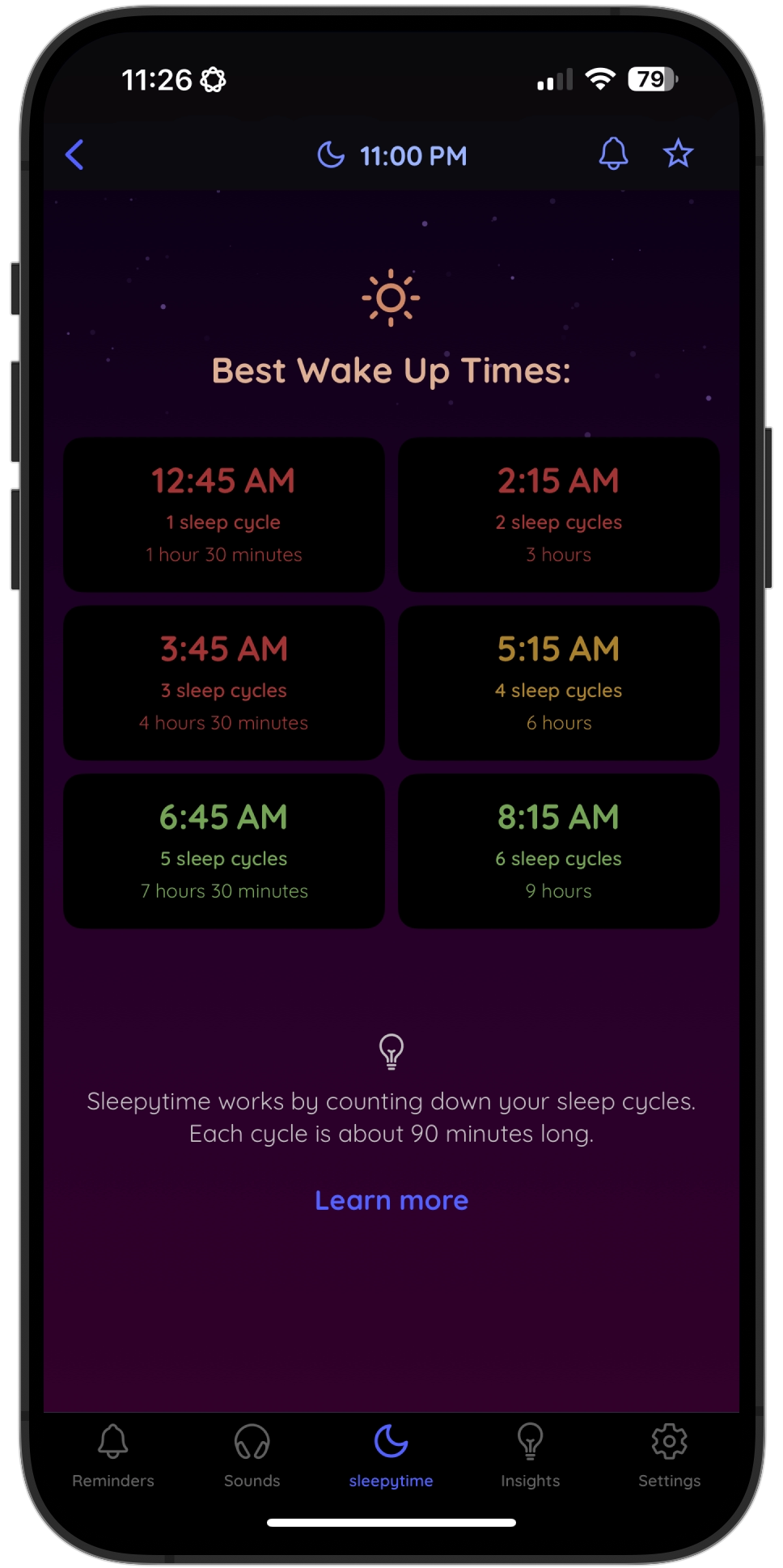
If holding a consistent bedtime and wake time is the hard part, sleepytime does the math for you. Free on iOS and Android.
Quick questions
Should I go to bed early before a big day?
Not really. Going to bed much earlier than usual often means lying awake longer, which adds to the frustration. Aim for your normal bedtime, or slightly earlier only if you usually sleep less than you need.
Does one bad night affect performance?
For most things, less than people fear. Your body compensates for a single shorter night, and adrenaline carries you further than expected. Chronic short sleep is a different story; one rough night is usually fine.
Why can't I sleep when I need to most?
Anticipation. Your brain anticipates tomorrow, raises alertness, and primes you to stay awake. The effort to force sleep adds to the alertness. The way out is to lower the stakes rather than raise the effort.
Sources
- Healthy Sleep Tips · Sleep Foundation
- 17 Proven Tips to Sleep Better at Night · Healthline
- REM Sleep vs. Deep Sleep · Calm
- Sleep Hygiene · Sleep Foundation